
For runners with tight hips, heavy legs and good intentions
Running quietly stiffens the very tissues that keep you running well — hips, hamstrings, calves, quads, lower back. The Runner's Reset is a library of short, follow-along Yin practices that give that range back, fifteen to twenty quiet minutes at a time.
Join the Runner's Reset — $49 founding price →One-time payment · lifetime access · 30-day keep-it guarantee
Already joined? Sign in to your course →
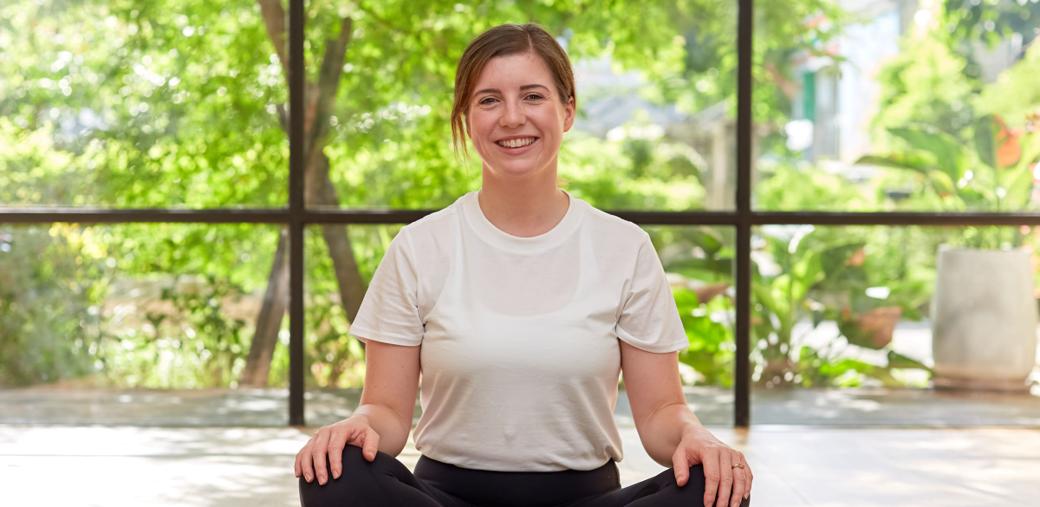
You know the scene. You finish a good run — heavy legs, tight hips, that familiar pull down the back of your thigh. You mean to stretch. You check your watch instead.
It's not laziness. Nobody ever made the stretching part simple. So it slides — run after run — and the tightness quietly stacks up. Hips one month. Calves the next. Then one morning your stride feels short and braced, a niggle starts whispering, and you're googling "how long does it take to lose fitness."
Here's the thing worth knowing: that slow build-up isn't a character flaw, and it isn't inevitable. It's just the half of training nobody laid out for you.
Running makes you fitter by loading the same chain of tissues over and over — hips, hamstrings, glutes, calves, quads, lower back. Thousands of steps, the same shapes, every run. That repetition is what builds you up. It's also what quietly shortens and stiffens those exact tissues over weeks — especially if, like most of us, you spend the rest of the day in a chair.
And a hurried 30-second stretch barely touches it. The deeper tissue around your hips and joints doesn't respond to a quick pull; it responds to time. That's all Yin yoga really is: you settle into a shape and stay for a few quiet minutes — nothing forced, only ever to about 60–80% of your capacity — and let gravity and your breath do the slow work a rushed stretch can't.
Two things happen when you practice this way:
You don't need to become flexible. You just need to stop getting tighter.
A gentle note: this is general education, not medical advice. Yin helps with everyday tightness — it doesn't treat or prevent injury, and sharp or lasting pain belongs with a physio or doctor.
Who it isn't for: if you're carrying an acute injury or sharp pain, see a physio first — this library will still be here when you're cleared to move. And if you're after sweaty power yoga, this is the opposite of that, on purpose.
It's a practice library, not a course you fall behind on. Two kinds of practice, plus guided paths that tell you exactly which one to press play on.
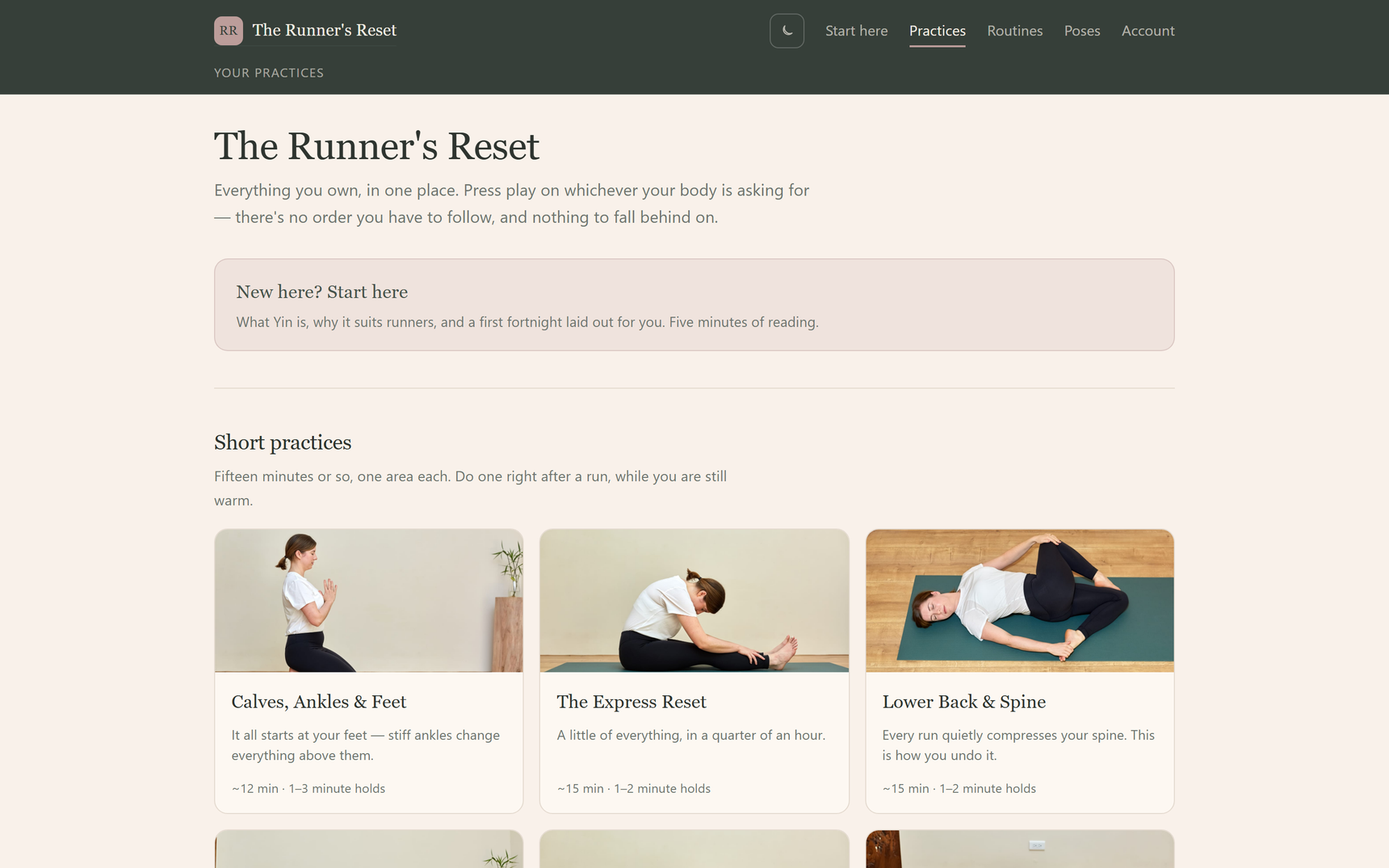
Short, follow-along Yin practices, about 14–18 minutes each — each shape followed by a short rebound, the still pause that lets the release settle before the next one. Do one right after a run, while you're warm, or whenever a specific spot is grumbling.
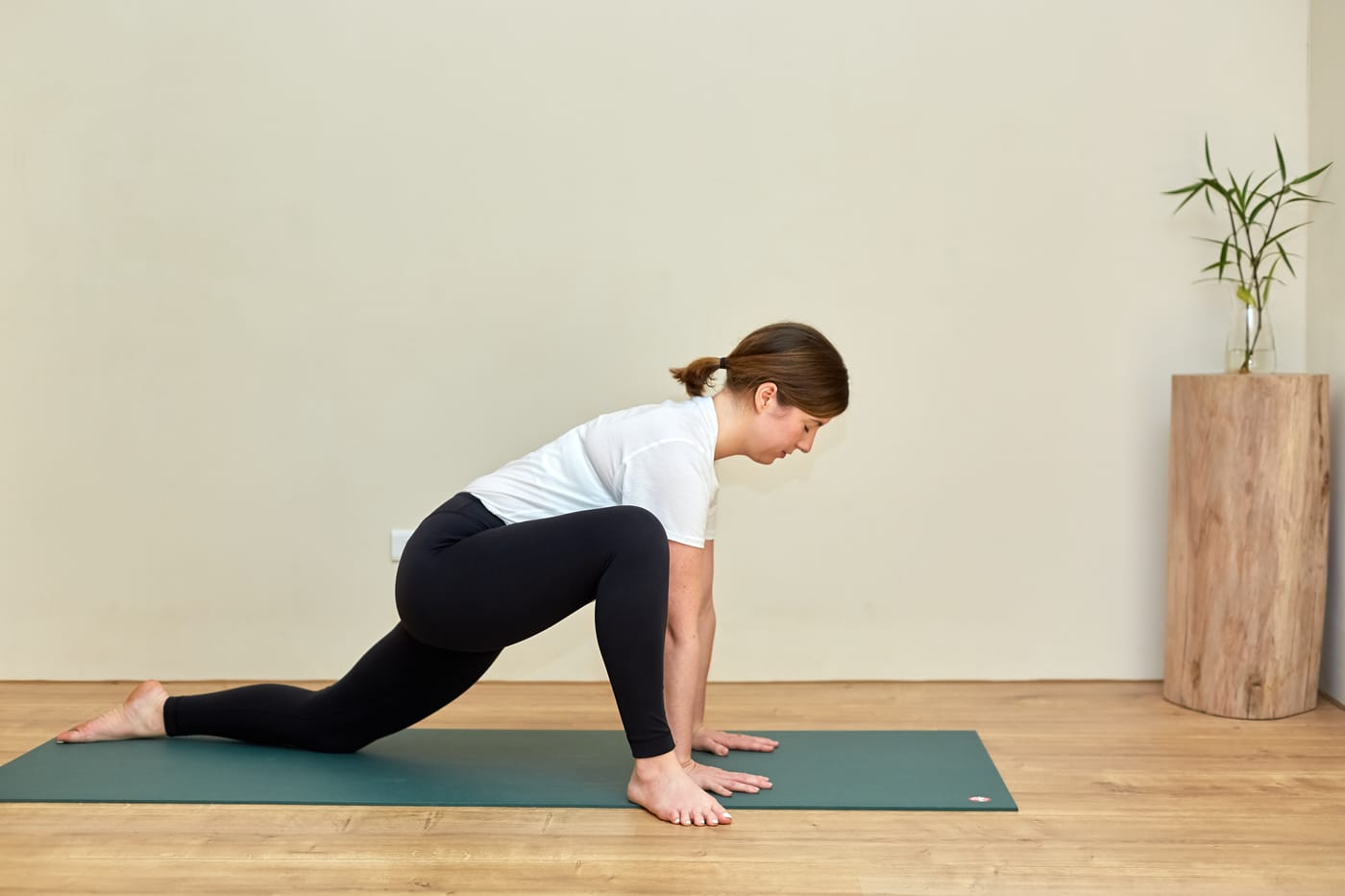
Running plus sitting equals tight hips — open them first, and your whole stride frees up.
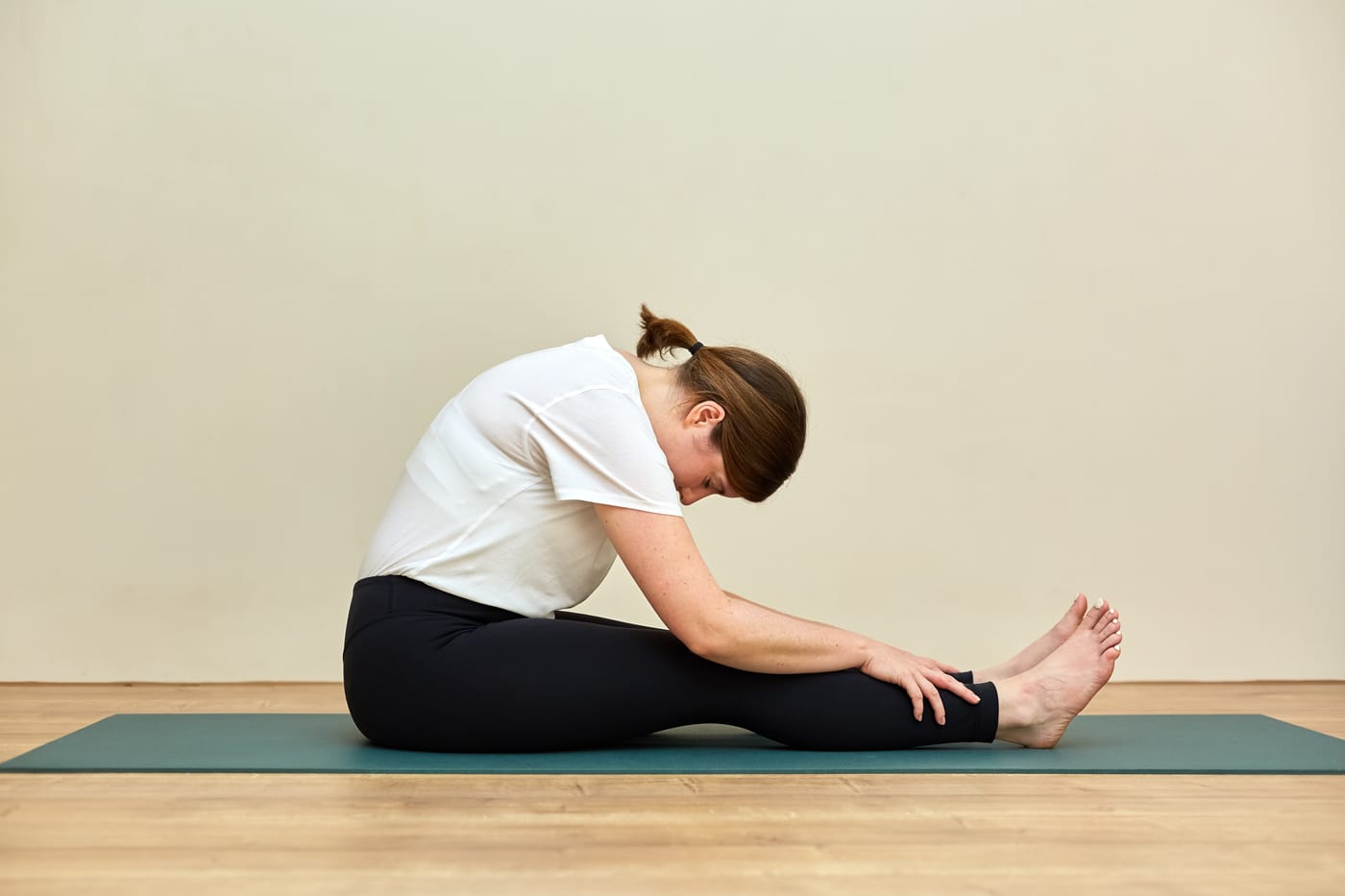
Your hamstrings do the hardest braking work in every stride — give them their length back.
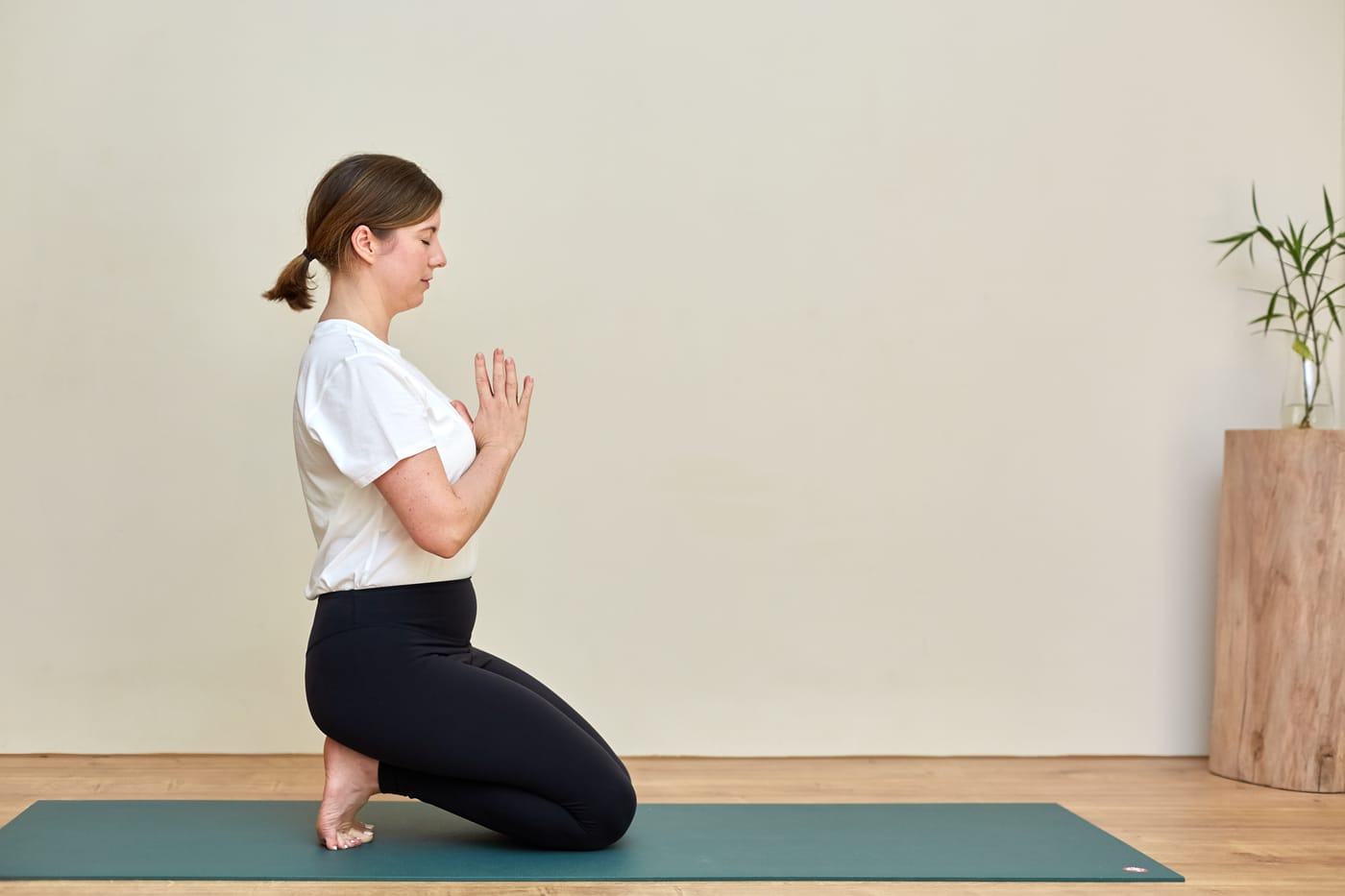
It all starts at your feet — stiff ankles change everything above them, and almost no runner works here.
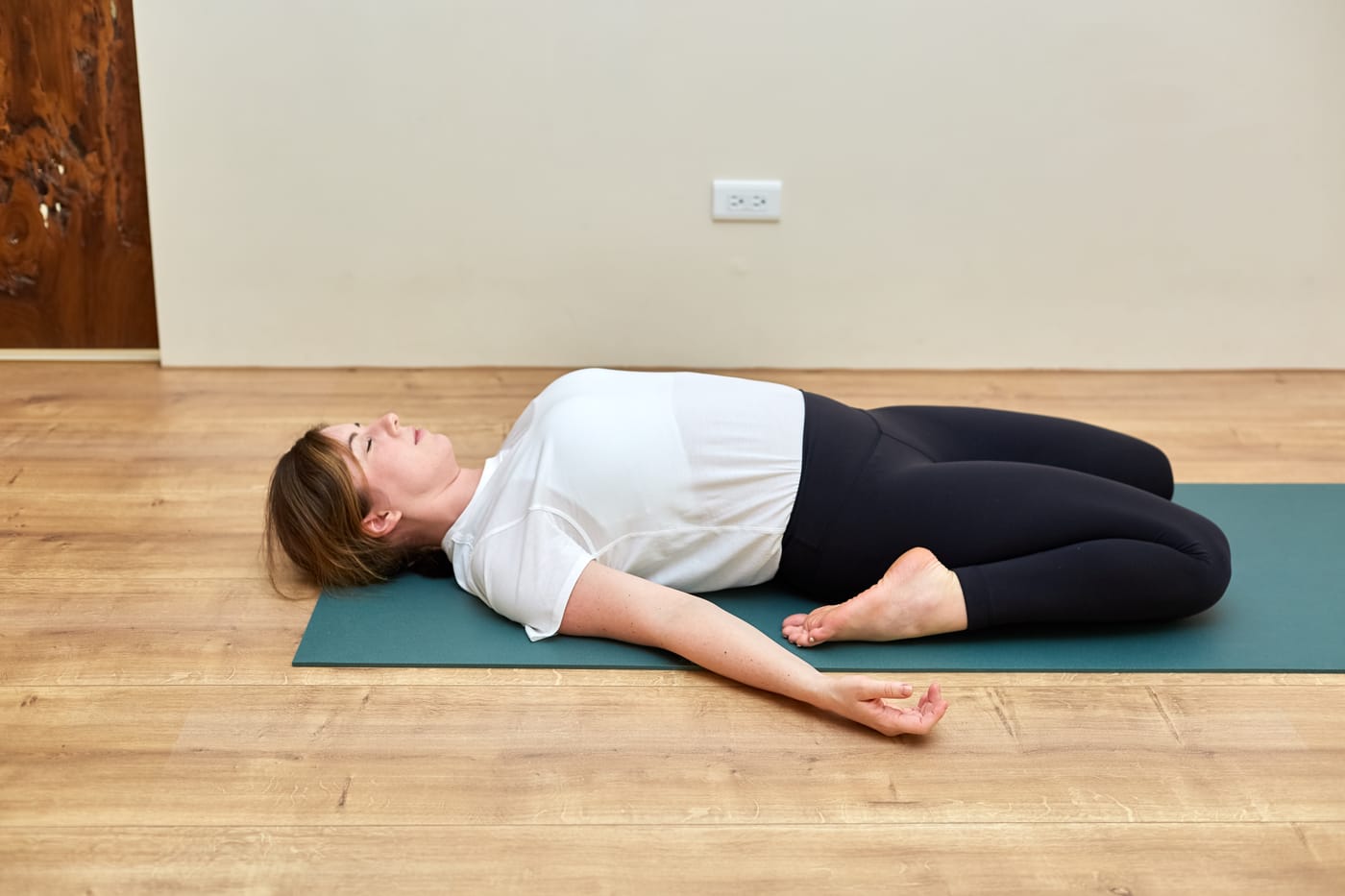
You can’t stretch your IT band — it’s a tough band of fascia — but you can release the muscles that pull on it. This practice does exactly that.
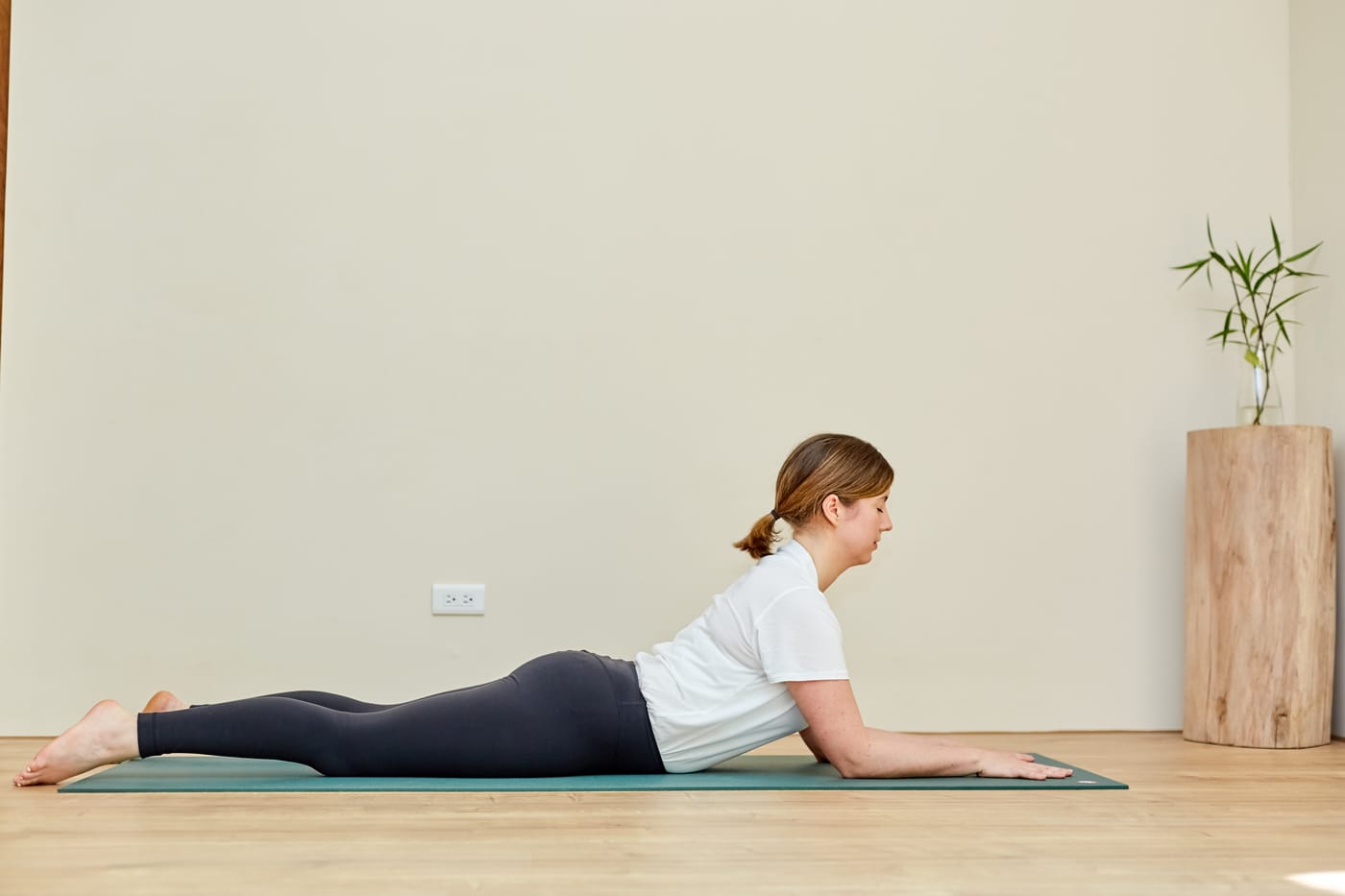
Every run is impact your spine absorbs. This is how you gently undo the day’s compression.
A little of everything in a quarter of an hour — the one you’ll actually do on a busy week. It’s also the free class, and it earns its place in here.
Because running doesn't tighten one muscle — it tightens a chain, and a tight link pulls on the next. Around 50 minutes each, made for rest days.
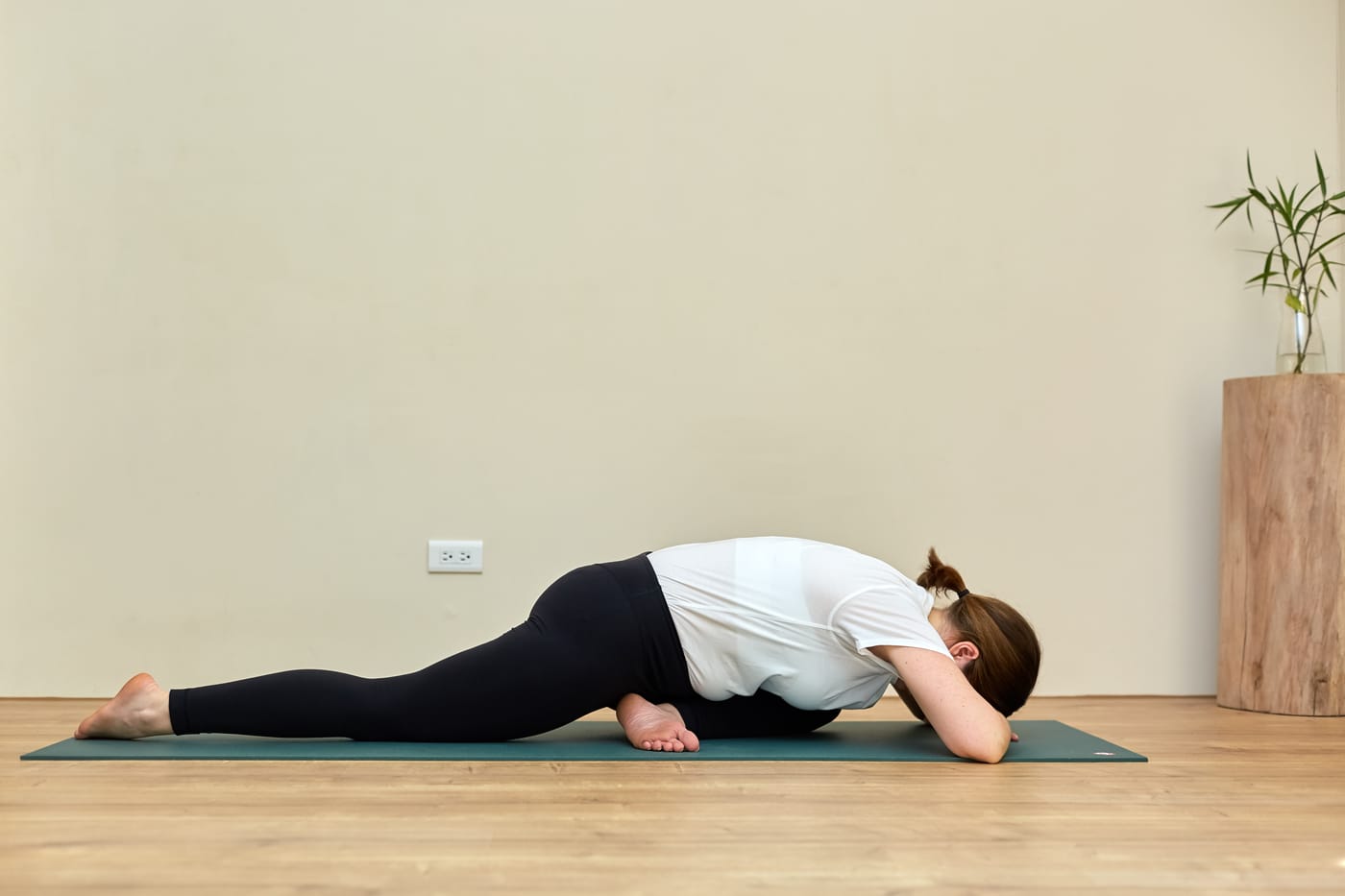
Every area, one unhurried practice. The everyday all-rounder.
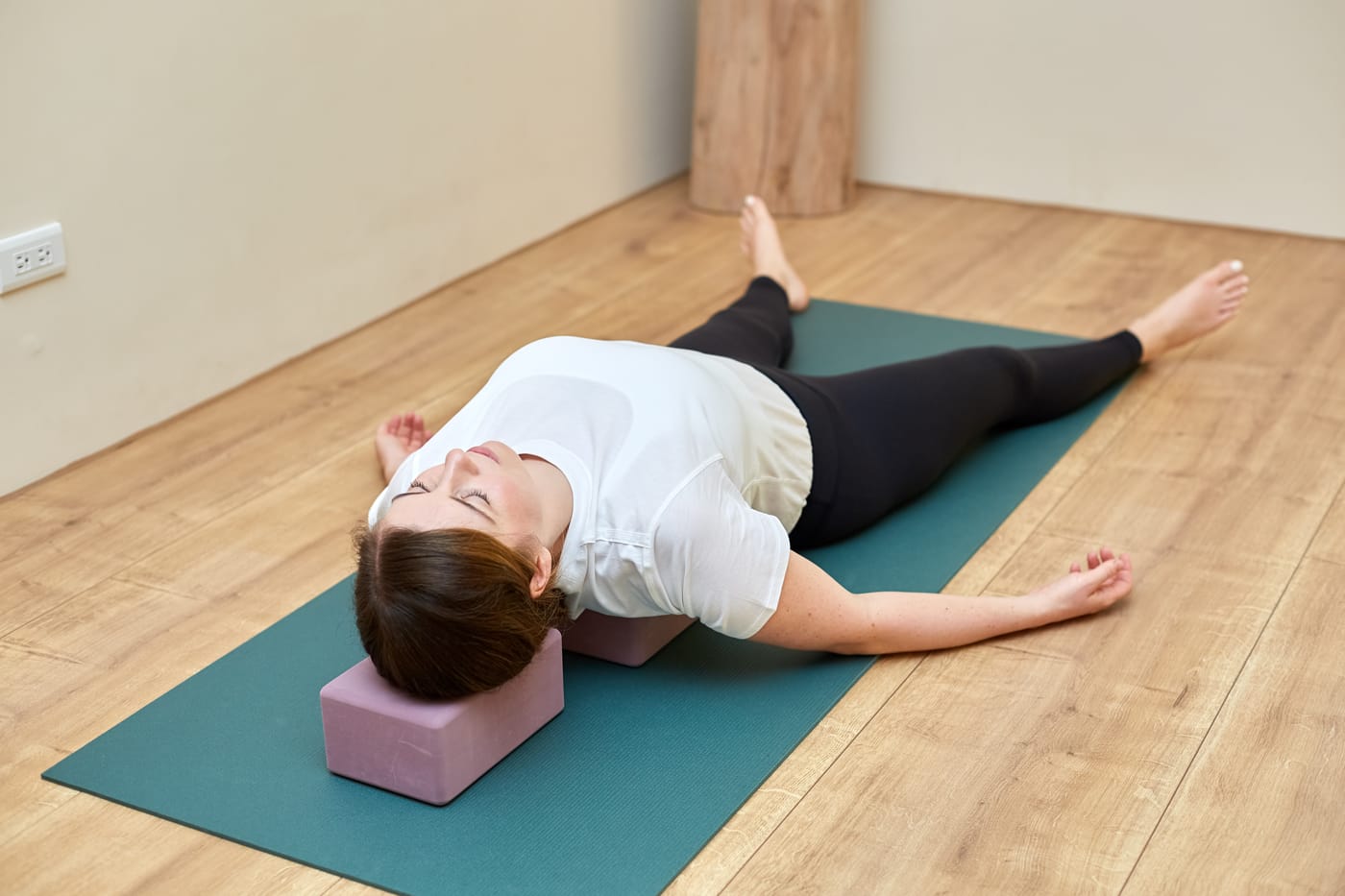
Gentler and fully supported with props — for tired legs and low-energy days.
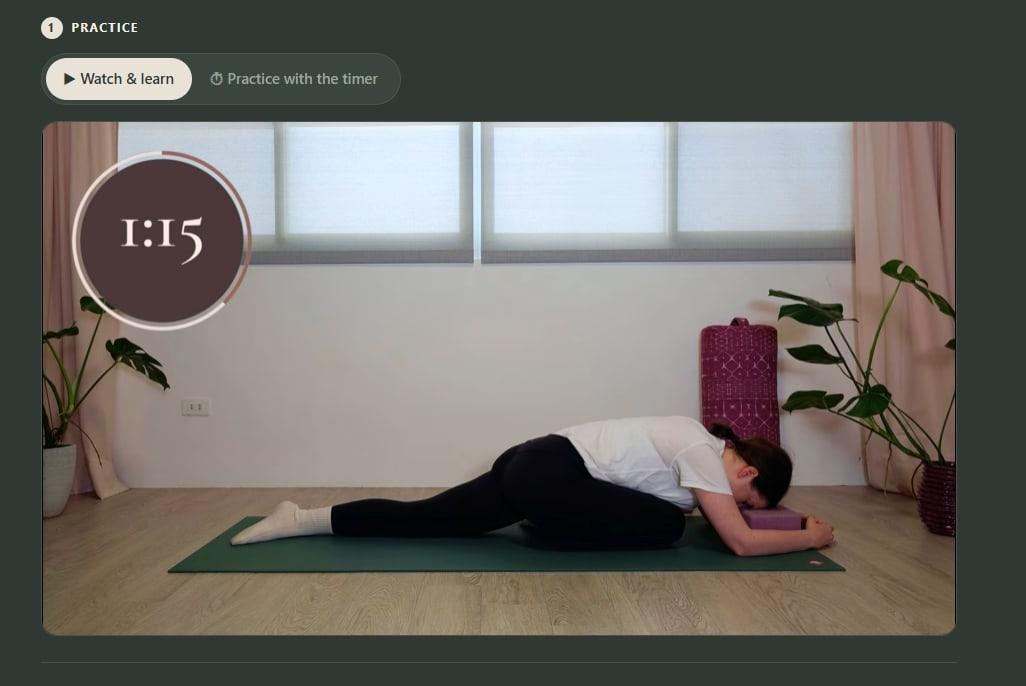
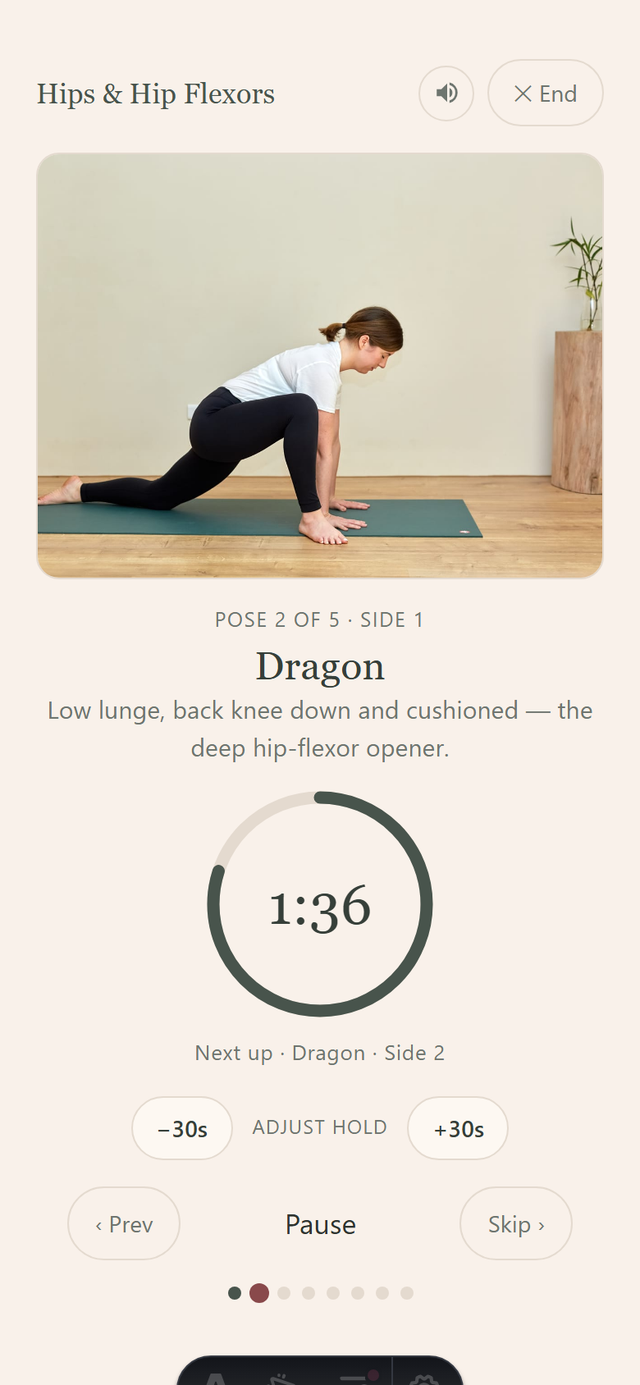
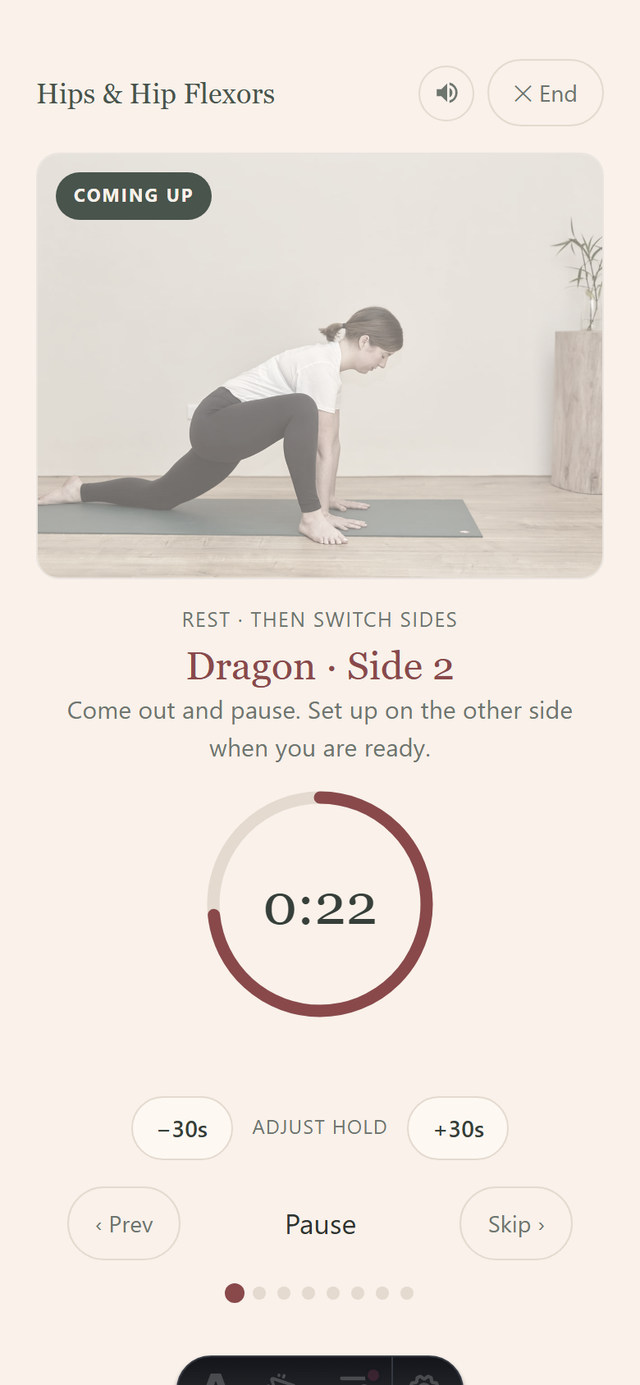
The follow-along video, an on-screen hold timer (so you can practice screen-free once you know the shapes), the plain-English why behind the practice, written cues you can read, and a body map showing where it works, yours to download and keep. Whatever kind of learner you are, it's covered.
Priced separately, the bonuses alone come to $116 — before you count the eight practices and the guided paths. You get all of it, for good, for less than a couple of physio sessions.
One-time payment · lifetime access · 30-day keep-it guarantee
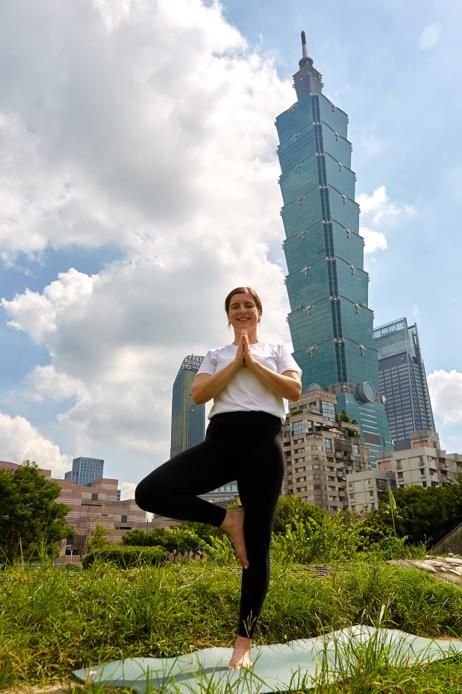
I'm Katie. I've taught Yin yoga for six years, trained at the Arhanta Yoga Ashram, and shared over 300 free classes on YouTube — including the runner classes many of you found me through. My whole approach is the opposite of hype: slow, kind, and honest about what Yin can and can't do. The Runner's Reset is everything I know about the runner's body, laid out so you never have to wonder what to press play on.
Join, and practice along for 30 days. If your hips, hamstrings and calves don't feel noticeably looser — if you're not moving more easily — email me for a full refund, and keep lifetime access to the entire library anyway.
I can offer that because the risk should sit with me, not you. If Yin doesn't help your running, I haven't earned your money — it's that simple.
$49
The Runner's Reset is $49 for the first 100 runners. One payment, lifetime access — every practice, every path, every bonus, and everything I add to the library later.
Once those 100 founding places are taken, the price becomes $67. That's the only deadline here, and it's a real one: I want a founding group practicing, telling me what to build next, before the doors settle at full price. No countdown-timer theater — when the hundred are gone, they're gone.
One-time payment · lifetime access · 30-day keep-it guarantee
Perfect — that's exactly who Yin is for. It isn't about how far you fold. You only ever go to about 60–80% of your capacity and let the shape soften from there. Tight runners are the whole idea.
The short practices are under twenty minutes — shorter than a proper cooldown. Do one after a run, or in the evening while you wind down. Little and often does far more than long and rare.
The quick, bouncy kind before a run? Not much — and long deep holds before running can actually leave you feeling loose and less powerful, which is why everything here is built for after runs and rest days. What long, still holds are genuinely good at is improving range of motion and helping your body shift into recovery. That's the lane Yin stays in — I won't promise you it cures injuries or flushes anything, because it doesn't.
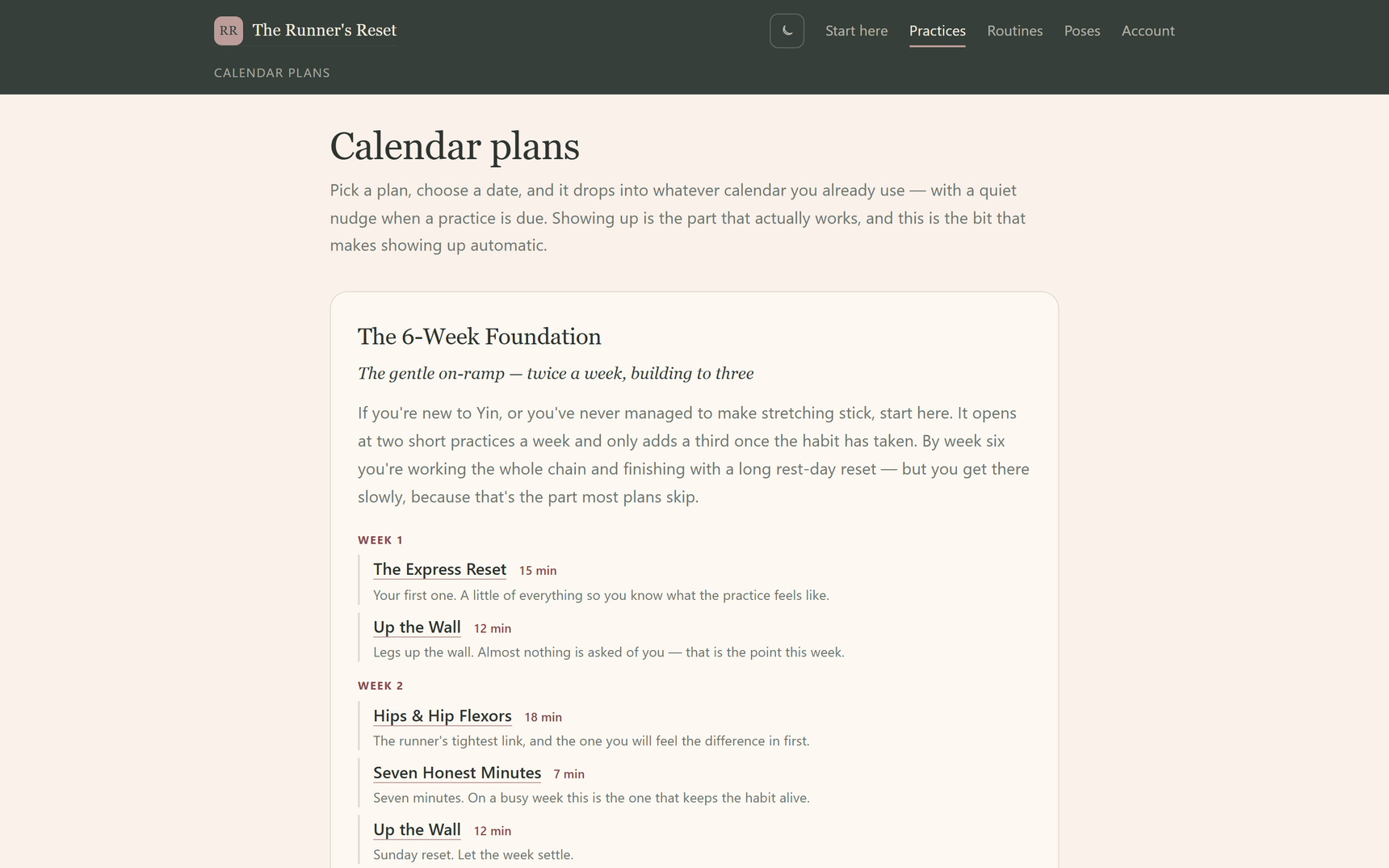
The free channel stays free, always. What the library adds is the system: runner-specific sequences for every link in the chain, guided paths so you always know what's next, hold timers, written cues, body maps, a deep-rest NSDR, ready-made routines, and calendar plans with reminders. It's the difference between a pile of classes and a plan.
A mat, a cushion or two, maybe a belt or a block if you have one. Every pose has a gentler option — nothing requires flexibility or fancy props.
Then the keep-it guarantee has you: a full refund within 30 days, and you keep everything. You genuinely can't lose money here.
You don't need to overhaul your training. You need fifteen unhurried minutes, often enough, in the right shapes — and someone to lay them out for you. That's all this is.
Roll out your mat after your next run. Let the tightness go before it settles in. And keep running — at your best — for as long as running matters to you.
Join the Runner's Reset — $49 founding price →One-time payment · lifetime access · first 100 runners, then $67 · 30-day keep-it guarantee
Take good care of yourself,
katie
The Runner's Reset is general education, not medical advice. If you have sharp, nervy or lasting pain, please see a physiotherapist or doctor.
Not ready today?
A filmed class with Katie: follow-along video, hold timer and written cues. Free, yours to keep.
No spam, ever. Unsubscribe any time. I'll only send Yin.
Check your inbox 🌙 your Post-Run Reset is on its way.
