

the journal · for runners
Should You Stretch Before or After Running?
warm up to run, stretch when you're warm
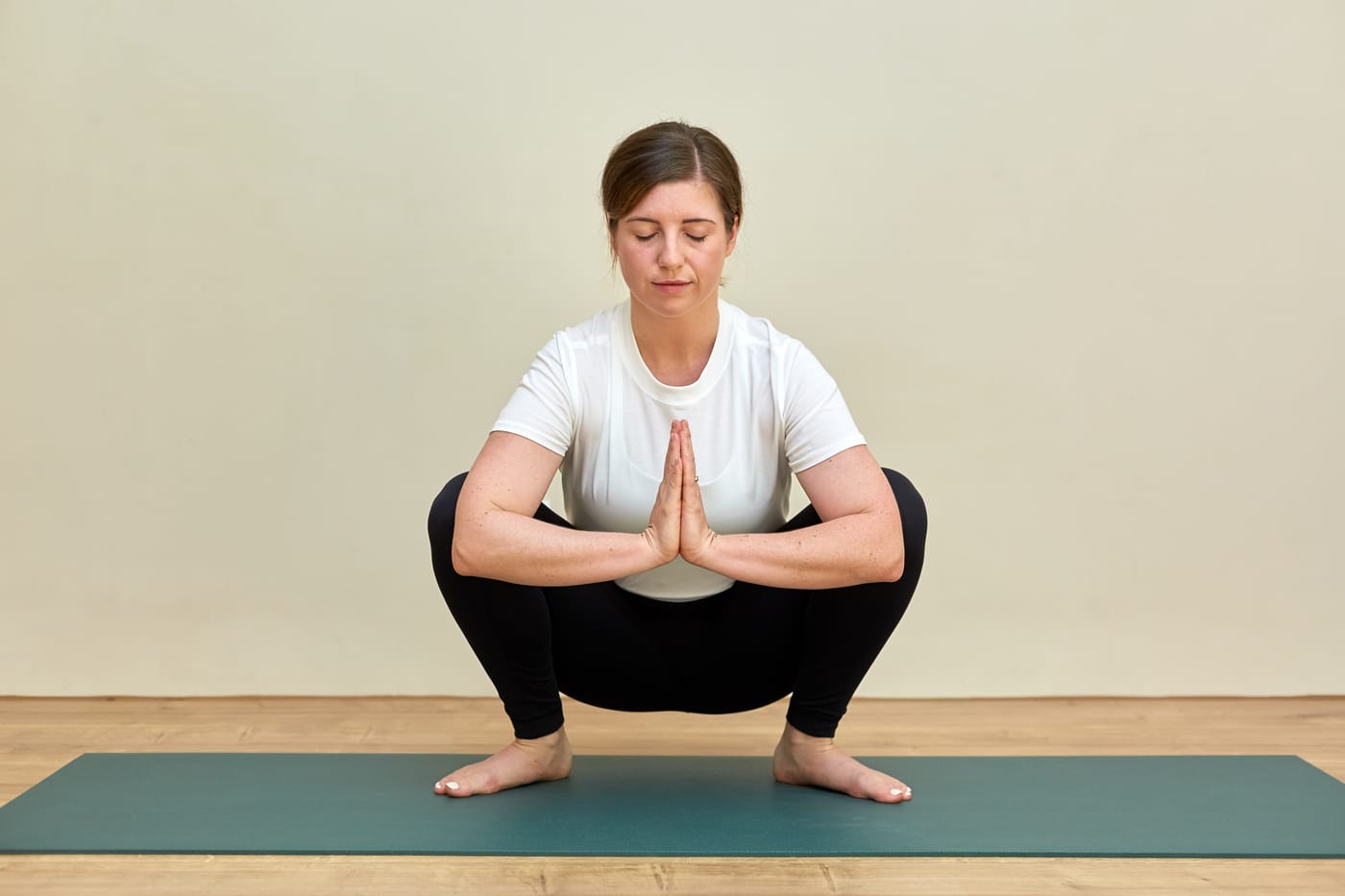
It’s the question I get asked more than almost any other, usually with a slightly guilty tone: am I meant to be stretching before I run, or after?
The short answer is after, or on a rest day. But the reason why is more useful than the rule, because once you see what stretching is actually for, the timing question mostly answers itself.
Stretching isn’t a warm-up
This is the part that surprises people. A warm-up is meant to raise your body temperature, get blood into the muscles you’re about to use, and rehearse the movement you’re about to do. Standing still holding a hamstring stretch does none of those things.
So if you stretch for five minutes by the front door and then set off, you haven’t warmed up. You’ve stretched, while cold, and then started running cold.
The thing that warms you up for running is running — gently. A few minutes of walking, then an easy jog, then letting the first mile be slower than you’d like. That’s it. If you want something more deliberate, some leg swings and a few slow squats will serve you better than a held stretch.
What stretching is actually for
It’s for range of motion. Holding a shape, regularly, over weeks, gradually gives you more room in a joint — and running quietly takes that room away, a little at a time, especially at the front of the hip.
That’s a real and worthwhile thing. It’s just a slow, cumulative thing, not something that happens in the ten minutes before a race. You’re not preparing your legs for today’s run. You’re keeping them from getting shorter over the season.
It’s also worth being clear about what it isn’t. Stretching isn’t a fix for a niggle, and it won’t undo a week of running more than your legs were ready for — that’s a training question rather than a flexibility one. If you’d like the same honesty about soreness, I wrote about what actually helps sore legs, and the answer isn’t stretching there either.
So do it for what it actually gives you: room in your hips, and a quiet ten minutes. That’s plenty to be getting on with.
Why after a run is the sweet spot
Two reasons, and the second is the bigger one.
First, warm tissue is more willing. After a run you’re heated through, everything moves more easily, and you can settle into a shape without fighting it. It’s simply a nicer place to do this work from.
Second — and this is the part most runners miss — the run isn’t what leaves you tight. It’s the run plus everything after it. You finish, you shower, and then you sit down for the rest of the day. The hip flexors that a run already asked to stay a bit short are now folded up in a chair for eight hours. That’s the combination your hips are complaining about, and the fifteen minutes after your run is the one window where you can interrupt it.
So the real argument for stretching after isn’t physiological. It’s that it’s the only time it reliably happens.
And rest days, which nobody mentions
If I could pick one, I’d pick a rest day. You’re not tired. You have the patience for a three-minute hold rather than a thirty-second one. And there’s nothing afterwards that needs your legs to feel powerful, so you can go as deep and as slow as you like.
Warm up a little first — a few minutes of moving about the house is genuinely enough — and then take your time. This is where the long, quiet Yin holds belong, and where most of the actual range comes back. Dragon for the front of the hip and Sleeping Swan for the glute behind it are most of what a runner needs, and three minutes in each is plenty.
The simple version
If you’d like one rule to carry around:
Move to warm up. Stretch when you’re warm.
Before a run, walk and jog. After a run, or on a rest day, find a few shapes and stay in them — three minutes at about 60–80% of what you could do, nothing forced. That’s the whole thing.
Ten quiet minutes after most runs will do more for you than an hour once a fortnight. It always does.
A note on pain
Everything here is about ordinary tightness, the kind that builds and eases. Sharp pain, a catch on a particular movement, or something that’s been there for weeks belongs with a physio rather than a stretch. Yin can sit alongside good treatment. It isn’t a substitute for it.
A gentle note: this is general education, not medical advice. Yin helps with everyday tightness. It doesn’t treat or prevent injury, and sharp or lasting pain belongs with a physio or doctor.
Take good care of yourself, Katie
While you're here
Want the follow-along class?
A filmed class with Katie: follow-along video, hold timer and written cues. Free, yours to keep.
No spam, ever. Unsubscribe any time. I'll only send Yin.
Check your inbox 🌙 your Post-Run Reset is on its way.
Common questions
Should you stretch before or after running?
After, while you're still warm, or on a rest day. Before a run, what you want is a warm-up — a few minutes of easy movement that raises your temperature and rehearses the stride. Stretching is a different job, and it does that job better once you're warm.
Is it bad to stretch before a run?
Not bad, no. Long, deep holds on cold muscles just don't give you much, and they can leave the legs feeling a little loose rather than springy for the first mile. If you like a stretch before you set off, keep it short and keep it moving.
What should I do before a run instead?
Walk for a few minutes, then jog easily, and let the first mile be slower than you'd like. If you want something more, some gentle leg swings and a few easy squats will do more for you than holding a hamstring stretch by the front door.
How long after a run should I stretch?
Within an hour or so is ideal, while you're still warm — but the version you actually do beats the perfectly timed one you skip. If that means after dinner, do it after dinner.
Can I stretch on a rest day instead?
Yes, and rest days are arguably the best time. You're not tired from a session, you have more patience for a long hold, and there's nothing you need your legs to be springy for afterwards. Warm up gently first — a few minutes of moving about is enough.
From the mat
Ready to actually practice?
✦ A filmed class with Katie — free for you
Reading about it is one thing — feeling it is another. Pop your email in and I'll send you my free 15-Minute Post-Run Reset: a properly filmed class you follow along with me after your run, with a hold timer and written cues underneath. Yours to keep.
No spam, ever. Unsubscribe any time. I'll only send Yin.
Check your inbox 🌙 your Post-Run Reset is on its way.