

the journal · sleep & rest
Yin Yoga for Sleep: A Gentle Practice for Deeper Rest
let the day go
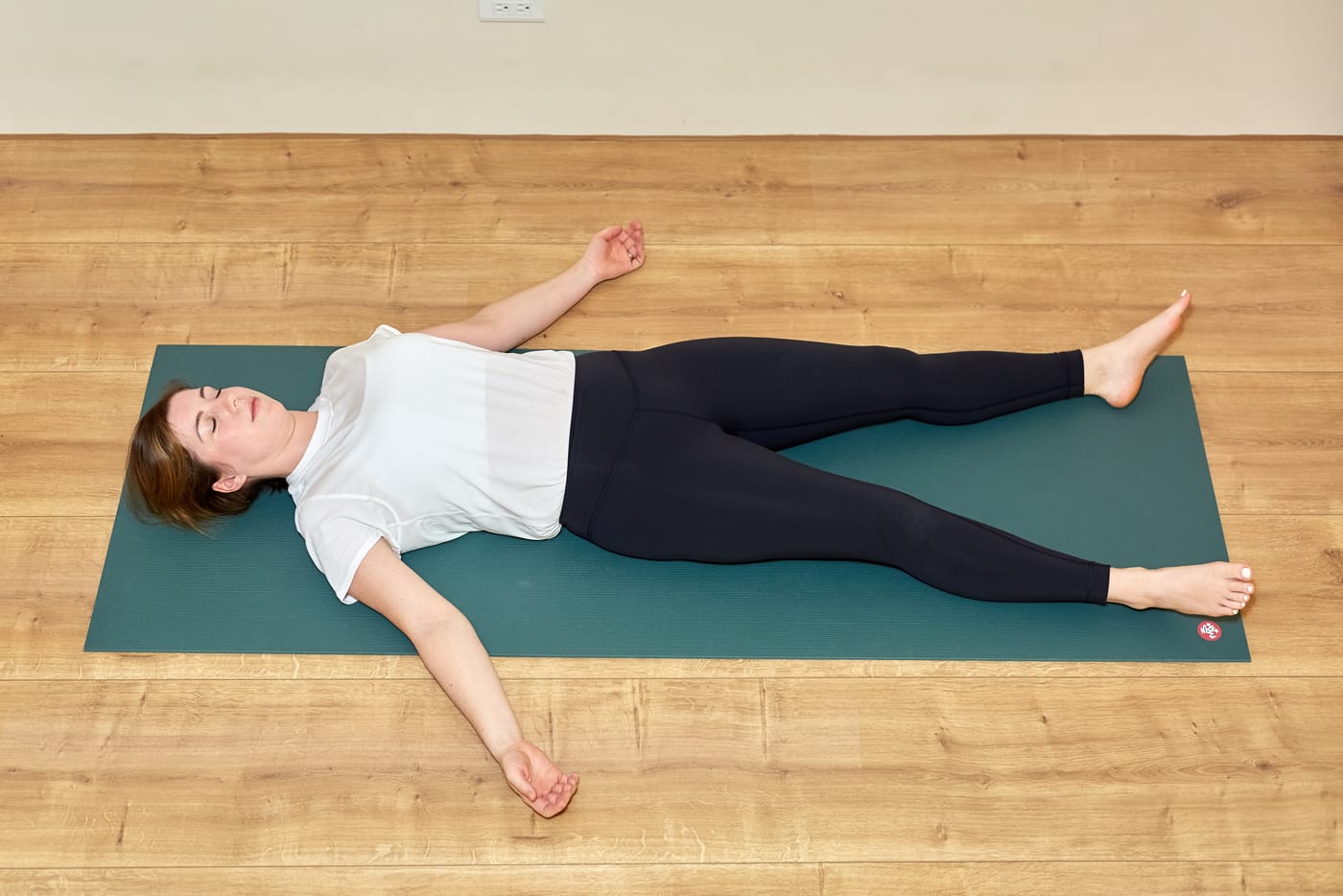
If your body is tired but your mind won’t stop, you’re not alone — and a short, slow Yin practice in the hour before bed can be one of the kindest ways to bridge the gap between a busy day and sleep. Yin Yoga asks almost nothing of you: you settle into a few floor-based shapes, hold each one for a few quiet minutes, and let the long, unhurried holds do the quieting. Here’s how it works, the poses that help most, and a couple of short practices you can follow tonight.
How does Yin Yoga help you sleep?
Sleep doesn’t respond well to effort — the harder you chase it, the further it drifts. Yin works in the opposite direction: instead of doing something to fall asleep, you create the conditions that let sleep arrive on its own.
Two things make it so effective in the evening. First, the long, still holds — two to five minutes in each shape — give the body time to stop bracing. Second, the slow, unhurried breathing that comes with staying still is widely associated with a shift toward the body’s rest state, the opposite of the wound-up, alert feeling that keeps you staring at the ceiling. Add dim light and a warm, quiet room, and you’re gently signalling to your whole system that the day is over.
None of this is forceful. You’re not stretching hard or working up a sweat — you’re settling, softening, and letting gravity carry the weight of the day off your shoulders.
When should you practice Yin for sleep?
The sweet spot is the hour or so before bed. Dim the lights, put your phone in another room (or at least face-down and silent), and get warm — a jumper and socks, a blanket nearby. You can practice right on your bed, or on the floor beside it so you can crawl straight under the covers afterwards. Loose, comfortable clothes, a cushion or two, and you’re ready. Little and often does far more than long and rare, so even ten quiet minutes counts.
The best Yin Yoga poses for sleep
You could build a lovely wind-down from just a handful of shapes. Each links to its own page with cues, hold times and things to watch for:
- Legs Up the Wall — the single most restful shape in all of Yin; a gentle inversion that quiets the whole system.
- Butterfly — soles of the feet together, a soft fold forward to release the hips.
- Caterpillar — a long, calming forward fold down the back of the body.
- Banana Pose — a quiet side stretch you can do while already lying down.
- Reclined Twist — a gentle wring-out for the spine, on your back.
- Corpse Pose — the final rest, where the practice settles into sleep.
You can't force sleep — but you can make a soft place for it to find you.
A short practice to follow tonight
If you’d rather be guided than remember a sequence, press play on one of these — both are free, gentle, and made for the end of the day:
Prefer to practice without a screen narrating every second? The 22-minute Bedtime Wind-Down routine times each hold for you and chimes softly when it’s time to move on — you settle in, close your eyes, and let the timing take care of itself. Want a little more structure over several nights? The 3-night bedtime wind-down walks you through three evenings in order, or browse all the routines by time and mood.
How long before bed, and how often?
Practice in the hour before you want to be asleep — closer to bedtime is better, since the whole point is to carry the calm straight into sleep. As for how often: a few evenings a week is plenty to feel a difference, and nightly is lovely if it becomes a ritual you look forward to rather than another task. The consistency matters more than the length. If you only manage Legs Up the Wall and a few slow breaths, that’s a complete practice.
This is a gentle movement practice, not medical advice. If you have ongoing sleep difficulties, or you’re pregnant or managing a back, hip or eye/pressure concern, take the gentler option and check with your doctor — especially before inversions like Legs Up the Wall.
Sleep is less something you achieve and more something you allow. Dim the lights, get warm, and let Yin be the soft landing at the end of your day.
With warmth, Katie 🌿
While you're here
Want to practise along?
No spam, ever. Unsubscribe any time. I'll only send Yin.
Check your inbox 🌙 your two-hour retreat is on its way.
Common questions
Can I do Yin Yoga in bed?
Yes — and it's one of the loveliest ways to practice before sleep. Soft, reclined shapes like a gentle twist, butterfly or a simple forward fold work beautifully on a mattress. Keep to the calm, lying-down poses rather than anything deep or balancing, and let yourself drift straight into sleep afterwards.
How long before bed should I practice?
The hour or so before bed is the sweet spot. Dim the lights, put your phone in another room, and let the practice be the bridge between your day and sleep. Even ten quiet minutes counts — little and often does far more than long and rare.
Do I need props for bedtime Yin?
Not at all. A cushion or two and a blanket to keep warm are nice, but nothing is required — you can practice right on your bed. Come as you are, in whatever's comfortable.
What if my mind won't switch off while I practice?
That's completely normal — it doesn't mean it isn't working. As soon as you notice you're thinking, just gently come back to the feeling of your breath. You're not trying to empty your mind, only to give it something soft to rest on.
Is Yin or Restorative Yoga better for sleep?
Both are wonderful before bed, and many bedtime practices blend the two. Reach for Restorative if you're truly depleted and just need to be held; reach for Yin if you'd also like a gentle stretch. If you're curious, I wrote more on the difference in the journal.
From the mat
Ready to actually practice?
✦ A members-only class — free for you
Reading about Yin is one thing — feeling it is another. Whenever you're ready, pop your email in and I'll send you my free two-hour Yin, restorative and Yoga Nidra retreat. Two slow hours to properly switch off, yours to keep.
No spam, ever. Unsubscribe any time. I'll only send Yin.
Check your inbox 🌙 your two-hour retreat is on its way.